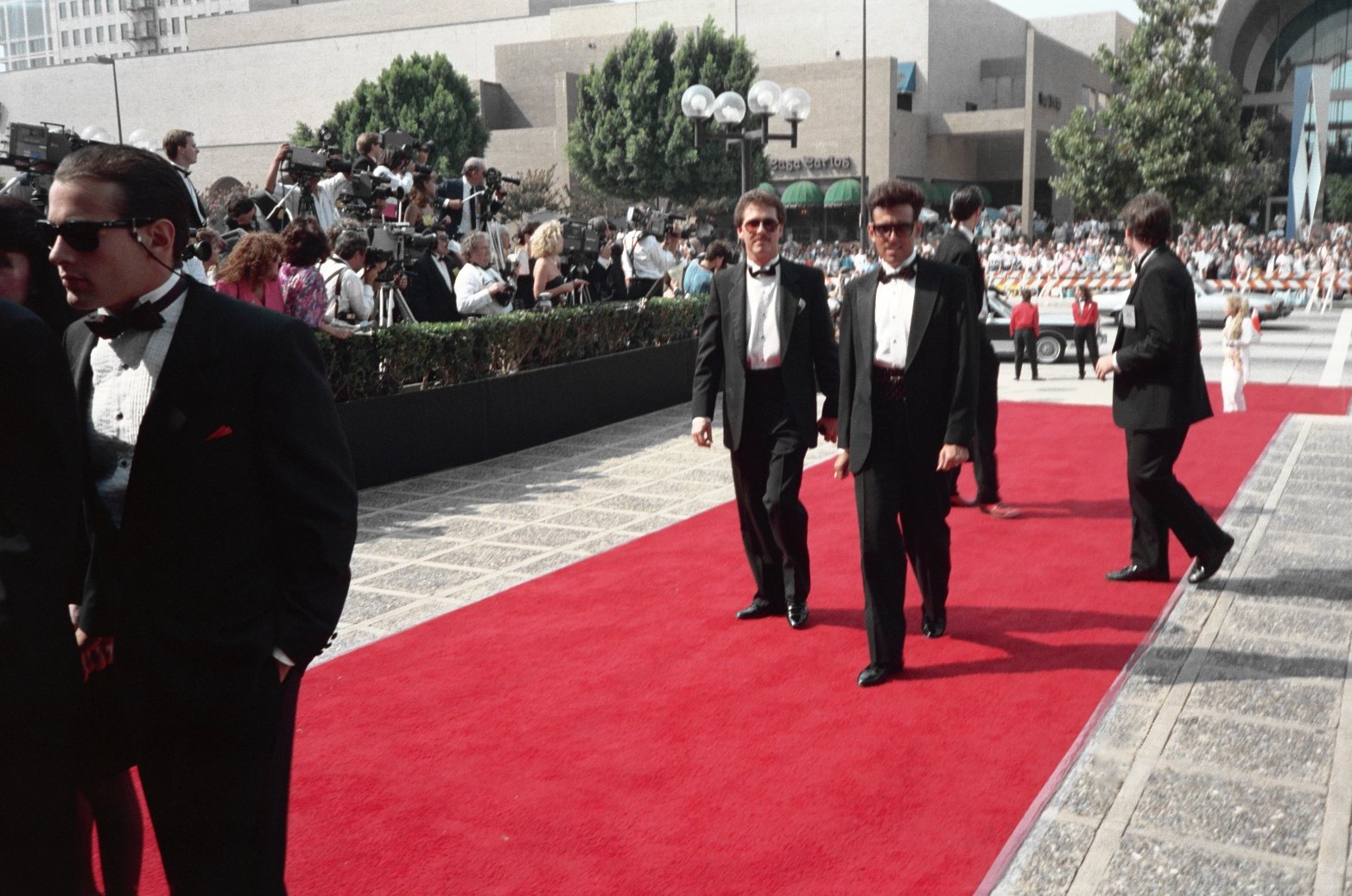

Visibility comes with exposure
Talent partnerships can give a brand instant attention, but that attention also makes mistakes more visible. A weak contract, vague approval path, or poorly matched celebrity can turn a campaign into a distraction. Risk review should happen before outreach, not after a name has already been approved internally.
Reputation and context
Review the talent’s public image, recent coverage, social discourse, and category associations. A person may be highly popular but still inappropriate for a brand’s specific market, tone, or audience. Cultural context matters especially when a campaign crosses regions.
Usage rights
Many teams underestimate usage. Can the brand use the talent image in paid media, retail, OOH, product pages, PR materials, social cutdowns, event recap videos, or regional adaptations? For how long? In which territories? Usage is often where hidden cost and conflict appear.
Exclusivity and conflicts
Check category exclusivity carefully. A talent may have existing commitments in adjacent categories, or a future endorsement may reduce the value of your campaign. The more premium the partnership, the more specific the conflict language should be.
Approval flow
Campaign timelines often break down during approval. Brands should define who approves scripts, wardrobe, edits, captions, press language, photography, usage extensions, and last-minute changes. A clear approval path protects both sides.
A better operating rhythm
Risk review should not make the campaign timid. It makes the creative stronger because teams know the boundaries. The strongest talent campaigns are ambitious, but they are also precise.